

Inside the Synapse Workspace





80+ Team Members
Engineers, applied AI specialists and designers across 11 time zones, remote-first since our 2022 founding in Austin, TX.
+
Integrations Available
Native connectors for chat, code, docs, calendars and CRM.

%
Customer Retention


Annual retention across the 1,200+ teams using Synapse.

 Core Features
Built for How Teams Actually Deliver
From intake to release, Synapse keeps tasks, meetings, docs and analytics
in one workspace, with governed AI agents at every step.
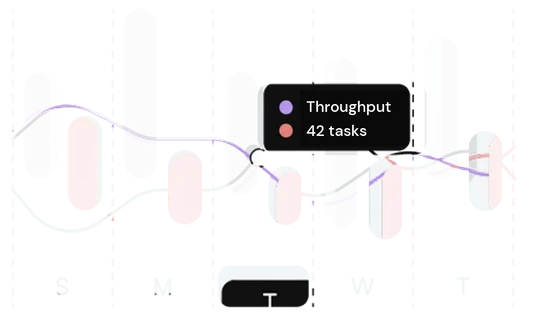
Delivery Insights
Track throughput, cycle time and WIP age across every project, with charts that update as work moves.
Connect Your Whole Stack
Issues, messages, files and calls from GitHub, Jira, Slack, Figma and Zoom link to the tasks they belong to.


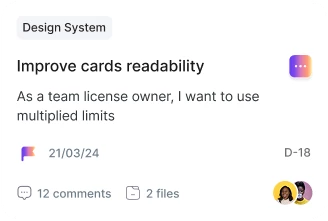
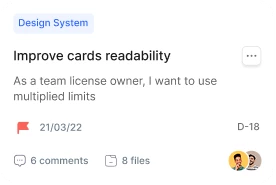
AI Task Orchestration
Classify, score and sequence incoming work, with approval gates on every change.
Mobile Companion App
Approve AI suggestions, update tasks and read meeting summaries on the go.



Take Synapse Everywhere
Plan on the web or desktop, then follow up on iOS & Android in the same workspace.


Trusted by 1,200+ Teams








FAQs
Questions About How Synapse Works
Answers on model routing, integrations, API limits, AI data handling and mobile access.
Still have questions?
Talk to our team about your stack, security or rollout.
A model router picks a frontier or small model for each request based on task type, latency budget and your workspace data policy.
Yes. Synapse is model-agnostic: admins approve vendors per workspace, and the router only sends requests to approved providers.
60+ integrations, including Slack, Microsoft Teams, GitHub, Jira, Figma, Zoom and Salesforce. Build the rest with our REST or GraphQL API.
Team 300, Business 1,000 and Enterprise 5,000 requests per minute, with 2× burst. Webhooks are HMAC-SHA256 signed and retried automatically.
No. Customer content is not used to train foundation models, and retrieval filters results by each user’s permissions before a model sees them.
iOS and Android companion apps and macOS and Windows desktop apps are available. All of them need a connection to sync and run AI features.
Tune triage priority weights, build automations with AI steps, create custom dashboards and, on Enterprise, define custom roles and approval policies.
Customer Stories
Teams Share Their Results
Engineering, product and operations leaders explain how Synapse changed the way their teams plan and deliver.
Sprint plans are drafted within each person’s capacity, so our planning session went from three hours to ninety minutes. Leads adjust priorities and approve.


We replaced separate tools for tasks, docs and meeting notes with one workspace. One SAML SSO setup and one audit log make it far easier for IT to govern.

OKR rollups update as tasks close, so our quarterly goal reviews show measured progress instead of self-reported percentages.

We connected Slack, Google Workspace and Jira in an afternoon. Excluding HR spaces from AI and auditing every Copilot query is what got our rollout approved.

The dependency graph highlights the critical path across our backend teams, so cross-team blockers come up in sprint planning, not halfway through the sprint.

Requests from forms, email and Teams arrive tagged by team and component with confidence scores. Weekly triage went from six hours to one, and reassignments still need approval.

Our dispatch leads approve task changes from the loading dock on their phones, not a desk.

1,200+ teams plan and ship with Synapse